The days are still bright, but temperatures are gradually becoming milder. It is a good time to clear away plants that have reached the end of their cycle, refresh the soil and prepare your first autumn crops.
Getting back to the garden should start with observation, not just the calendar.
1. Assess the effects of the heat
Before you start sowing again, check the condition of your pots and planters.
Remove dried plants, damaged leaves and the roots of crops that have already reached the end of their cycle. Gently loosen the top layer of soil and check whether water is still being absorbed evenly.
After prolonged periods of heat, some soils can become so dry that water runs down the sides of the container without properly reaching the roots.
Water slowly, in several stages, until the soil is evenly moist again. Add compost or fresh potting soil when necessary.
2. What can you sow in the new season?
As temperatures gradually begin to fall, you can start introducing crops that are better suited to the autumn months:
- winter lettuce;
- rocket;
- spinach;
- mixed salad leaves;
- radishes;
- coriander;
- autumn onions, where suitable for your region.
Avoid sowing everything at once. Sow small batches a few days or weeks apart to extend your harvesting period.
If temperatures remain very high in your region, wait for milder weather or start your seeds somewhere protected from direct sunlight.
3. Start in a more protected environment
After extreme heat, germination can be irregular if the soil remains too warm or dries out too quickly.
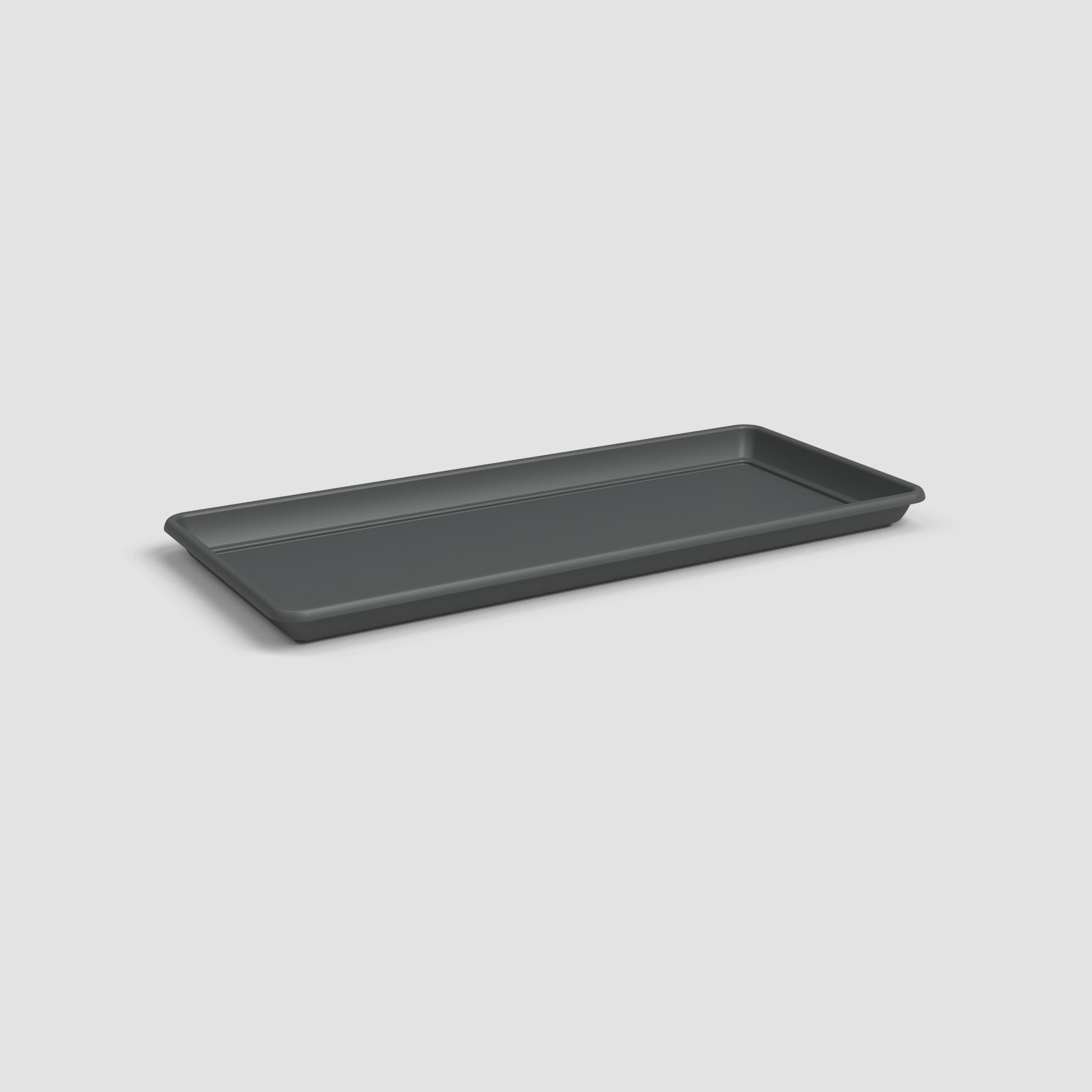
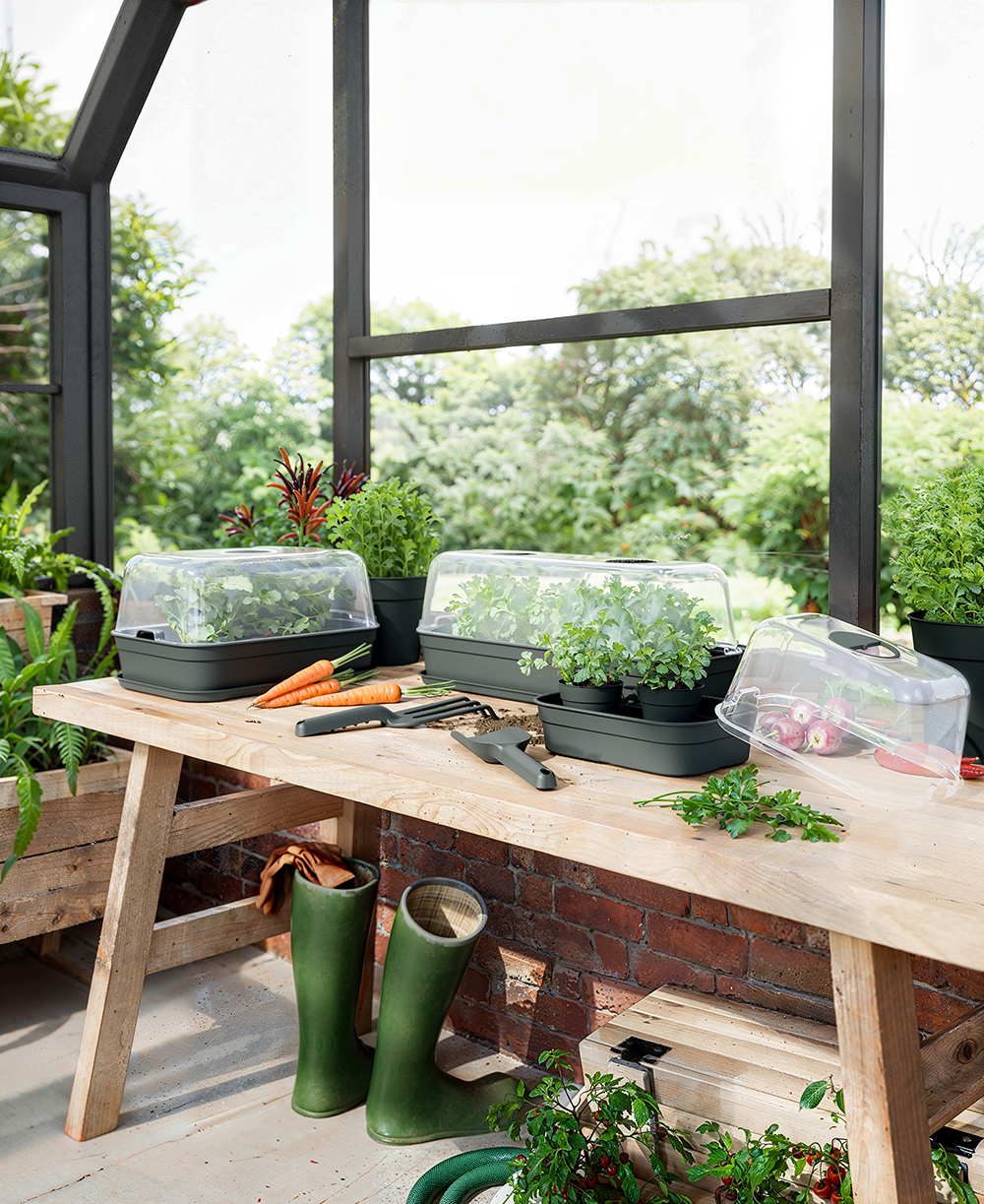
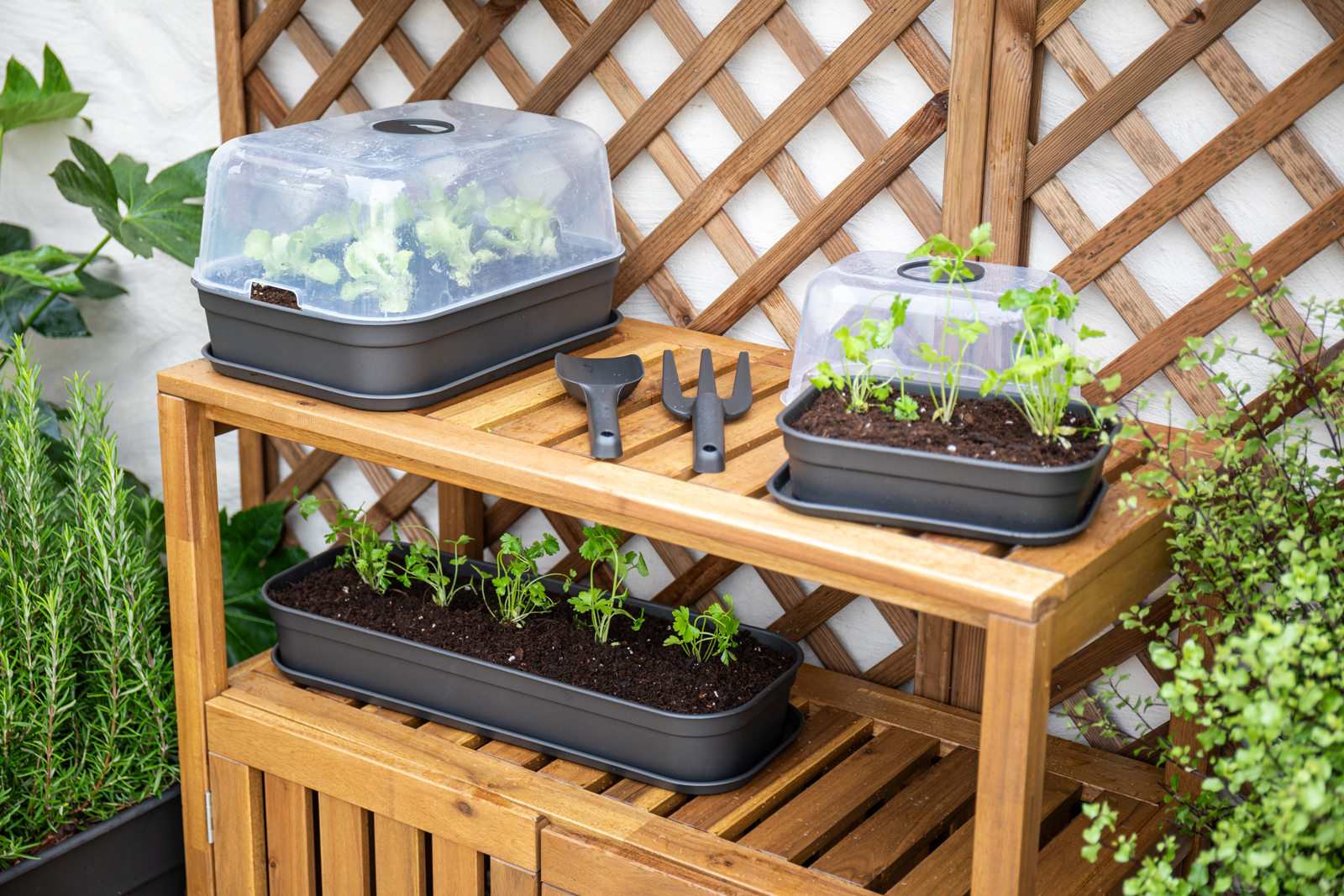
The Madagascar Grow House helps you start small batches of seeds in a more protected environment. The combination of growing trays and transparent covers allows you to follow the first stages of growth more closely.
You can use it to start:
- lettuce;
- rocket;
- spinach;
- coriander;
- other leafy greens and compact herbs.
Place it somewhere bright, but avoid strong direct sunlight while the cover is in place. Regularly check condensation, moisture levels and the temperature inside.
4. Choose the right pot
You do not need a large garden to grow your own produce. A balcony, terrace or patio can be enough.
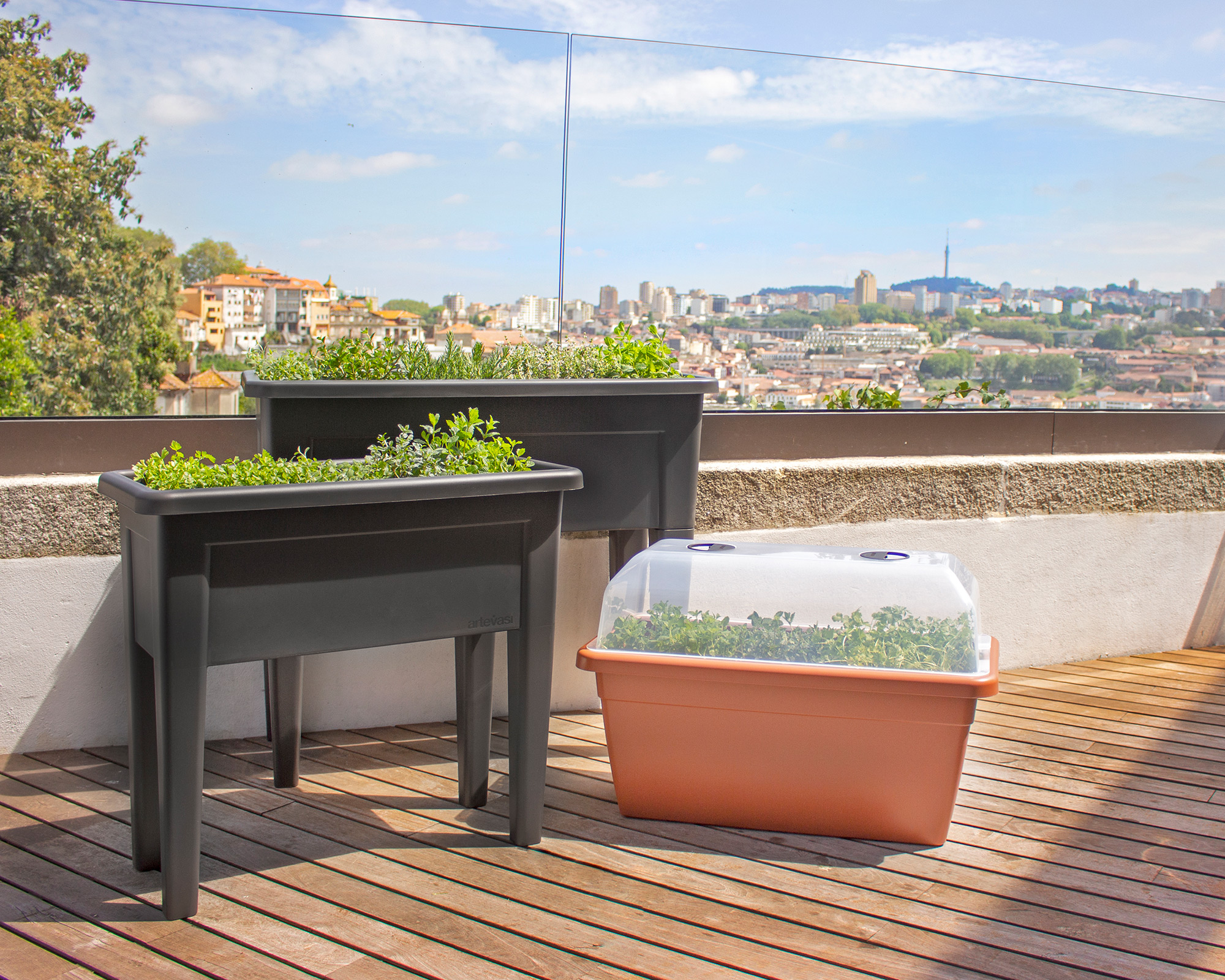
The Venezia Grow Box 80 allows you to create a compact raised garden, suitable for leafy greens, herbs and other compatible crops.
If you need a larger growing area, the Venezia Grow Box 100 offers greater capacity, a water reservoir and a self-watering system.
For narrower spaces, Madagascar Plant Box planters allow you to organise herbs and leafy greens in a row. The Madagascar XL Plant Box offers more growing volume for a larger arrangement.
5. Do not fill every pot at once
After the summer break, it can be tempting to immediately fill all the available space.
Start with a smaller area and introduce new crops gradually. This reduces the risk of losing all your plants if temperatures suddenly rise again and prevents everything from being ready to harvest at the same time.
6. Adjust your watering routine
Milder weather does not mean you can stop watering.
Check the moisture below the surface before adding more water. The top layer may look dry while the soil deeper inside the pot is still moist.
Water in the morning, directly onto the soil and slowly enough for the water to reach the roots.
Watering frequency should be adapted according to:
- the size of the pot;
- the type of soil;
- sun exposure;
- weather conditions;
- the needs of each plant.
7. Protect young plants
Even before the colder season arrives, very hot days can still occur.
During germination and the first few weeks:
- avoid direct sunlight during the hottest hours of the day;
- keep the soil moist without waterlogging it;
- gradually acclimatise plants to outdoor conditions;
- check smaller containers every day;
- postpone transplanting if another heatwave is forecast.
A new season brings a new growing cycle
Getting back to the garden after summer does not mean doing everything at once.
Start by refreshing the soil, choose crops suited to the season and sow small batches at a time.
With the Madagascar Grow House, the Venezia Grow Box and Madagascar planters, you can support the whole growing process, from the first seed to your autumn harvest.